ASSA

No Voice Left Behind

Building JDSC, a Japanese dysarthric speech corpus,
to create an inclusive future for voice AI

Learn More
15 hrs
Single-speaker recording data
7% 80%
Speech recognition accuracy improvement
12,000 utt.
Recorded utterances

There Are Voices That AI Cannot Hear

Today's speech recognition AI is built on the voices of typical speakers. For people with dysarthria, their speech is treated as unexpected input — essentially "noise" to be discarded.

Dysarthria is a motor speech disorder caused by neurological conditions such as stroke, cerebral palsy, or congenital conditions. It affects millions of people worldwide, yet their voices remain absent from AI training data.

No matter how far technology advances, voices excluded from training data will never be recognized. ASSA was born to change this structural exclusion.

Image placeholder

Asahi Ogasawara's Challenge — 15 Hours of Determination

At the heart of the ASSA project is the story of one researcher who was also a person living with dysarthria.

Living with Dysarthria

Asahi Ogasawara was born with weak facial muscles, causing unclear speech — a condition known as dysarthria. "My voice will never reach anyone" — in that solitude, he found hope in technology.

A Recognition Rate of Just 7%

When he tested his voice with state-of-the-art speech AI, the recognition rate was a mere 7%. Out of 10 attempts, not a single one was correctly understood. AI built only on typical voices treated his speech as "noise."

"If the Data Doesn't Exist, I'll Become the Data"

"If there isn't enough data, I'll create it myself." For half a year, Asahi sat in front of a microphone nearly every day. Despite the physical strain, he recorded 15 hours and approximately 12,000 utterances — an unprecedented single-speaker dysarthric speech corpus.

A Leap to 80% Accuracy

When this massive dataset was used to train AI, recognition accuracy jumped from 7% to over 80%. This achievement was accepted at ICASSP 2026, the world's premier conference on acoustics, speech, and signal processing.
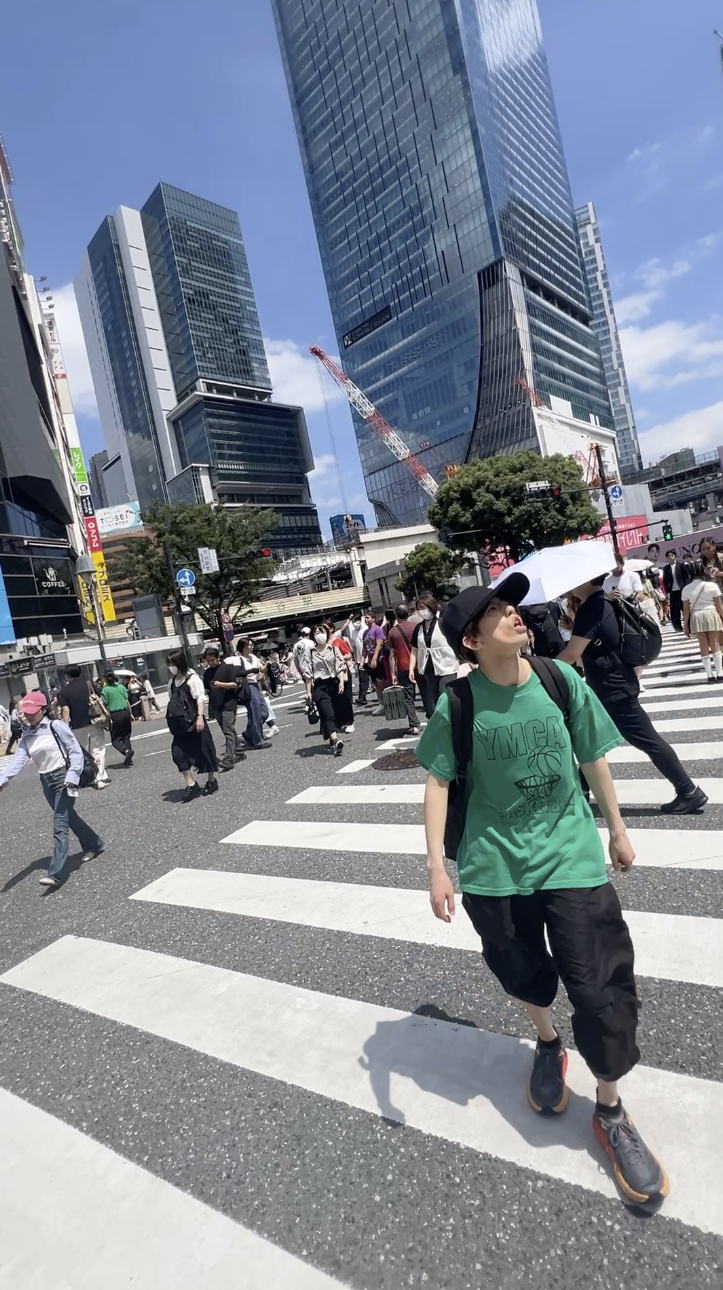
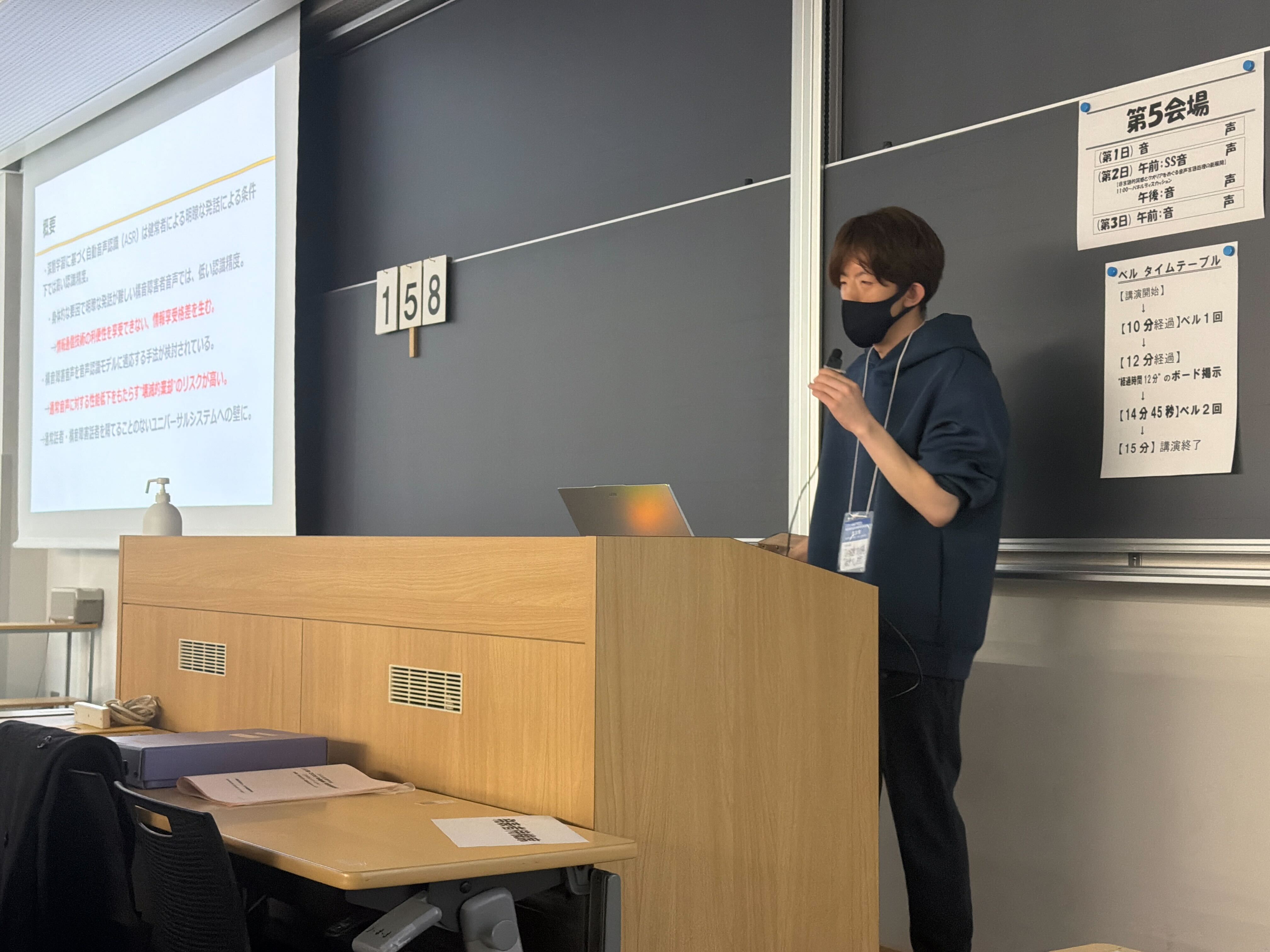
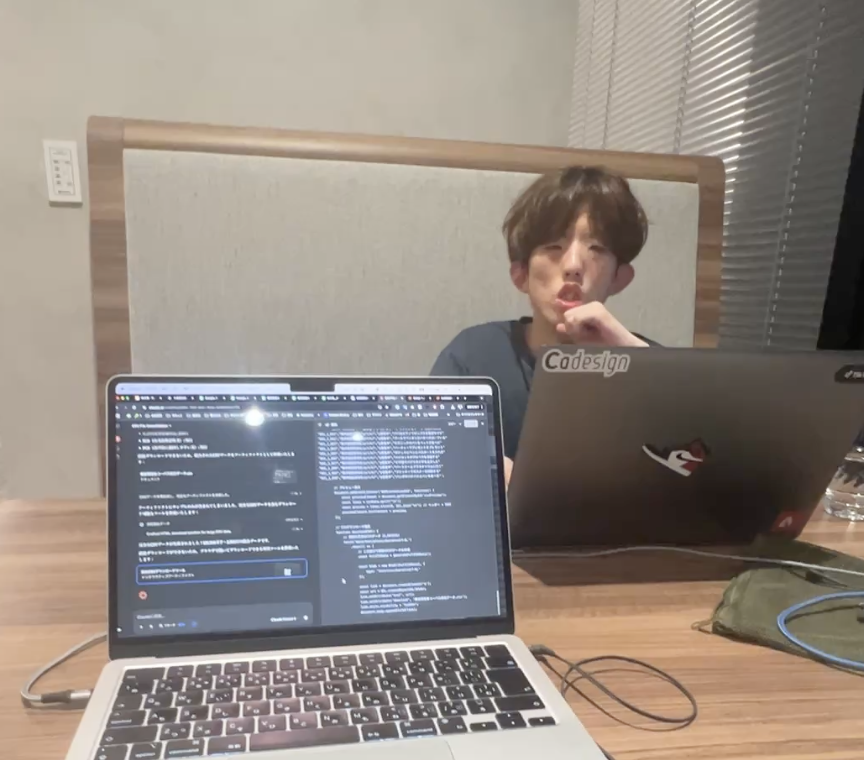
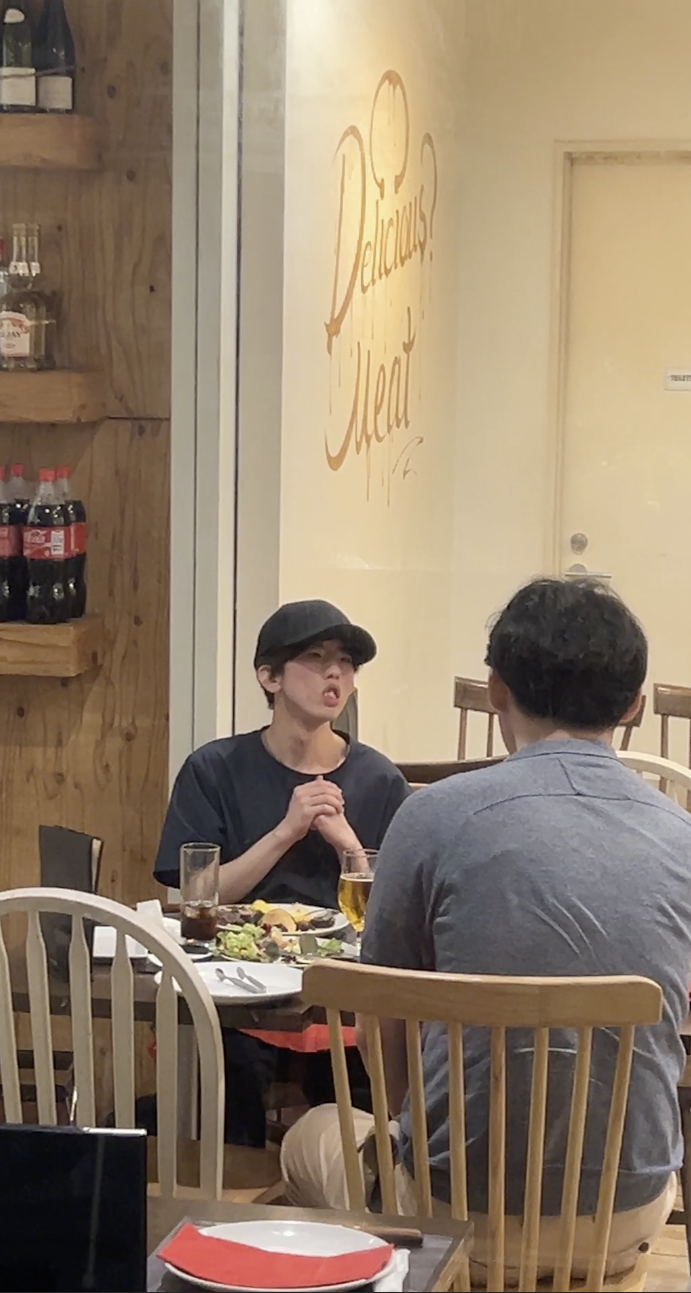
Asahi Ogasawara in Shibuya Asahi Ogasawara presenting at a conference Asahi Ogasawara working on research Discussion with Asahi Ogasawara

On March 17, 2026, Asahi Ogasawara passed away at his hotel on the evening after completing his presentation at the Acoustical Society of Japan conference. He never saw the completion of this research — his journey ended midway.

But the determination he poured into 15 hours of recording and his wish to "create a society where no voice is left behind" will never fade. This project, named after his nickname "Assa," carries his legacy forward.

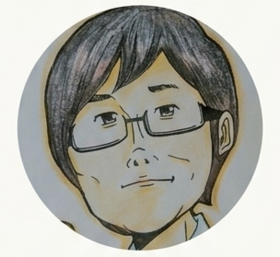
Asahi Ogasawara

Asahi Ogasawara

2001 - 2026
Researcher and person living with dysarthria. 2020: Enrolled at Iwate University, Faculty of Science and Engineering, Intelligent Information Course. 2024: Advanced to graduate school. Studied speech recognition under Associate Professor Yi-Yu Tan. Working from a hardware-focused lab, he independently connected with speech AI experts and built SS-JDSC, a dysarthric speech corpus. Over six months, he recorded 15 hours and approximately 12,000 utterances, improving speech recognition accuracy from 7% to over 80%. His work was accepted at ICASSP 2026, the world's top conference in the field. He had also been accepted to Kobe University's doctoral program.

Japanese Dysarthric Speech Corpus

JDSC (Japanese Dysarthria Speech Corpus) is a large-scale Japanese speech corpus recorded from speakers with dysarthria. Built on SS-JDSC, the corpus Asahi Ogasawara created, it aims to expand to additional speakers and conditions in the future.

🎙

Large-Scale Single-Speaker Data

15 hours and 12,000 utterances — one of the largest single-speaker dysarthric speech datasets in the world.

📊

Proven Accuracy Improvement

Using this corpus for training has been demonstrated to improve dysarthric speech recognition from 7% to over 80%.

🌐

Open Research Foundation

The corpus aims to be made available to the research community, enabling researchers worldwide to advance dysarthric speech recognition technology.

Academic Foundation

The results of this project have been accepted at the world's most prestigious conference in speech and signal processing.

Accepted at ICASSP 2026

SS-JDSC: Single-Speaker Japanese Dysarthric Speech Corpus

IEEE International Conference on Acoustics, Speech and Signal Processing
May 2026, Barcelona, Spain

🤗 Hugging Face Datasets

SS-JDSC Dataset (Public)

huggingface.co/datasets/JDSC-Project/SS-JDSC →

Project Members

Shinnosuke Takamichi
Chief Technology Officer
Associate Professor, Keio University
Ph.D. (Engineering)

Specializes in speech synthesis, voice conversion, and speech signal processing. After earning his Ph.D. from NAIST, he worked at the University of Tokyo before joining Keio in 2024. Has served as session chair at IEEE ICASSP and received over 20 paper awards.

Yi-Yu Tan
Yi-Yu Tan
Academic Advisor
Associate Professor, Iwate University

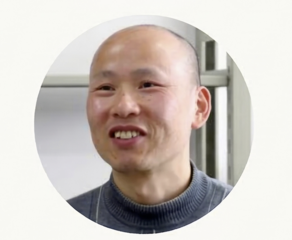
Asahi Ogasawara's academic advisor. His specialty is computer hardware (CPUs), but he supported Asahi's speech AI research for three years, helping pave the way to ICASSP acceptance.

Go Suenaga
Go Suenaga
Creative Director
CyberAgent / Independent Researcher
Visiting Assoc. Prof., Digital Hollywood Univ.

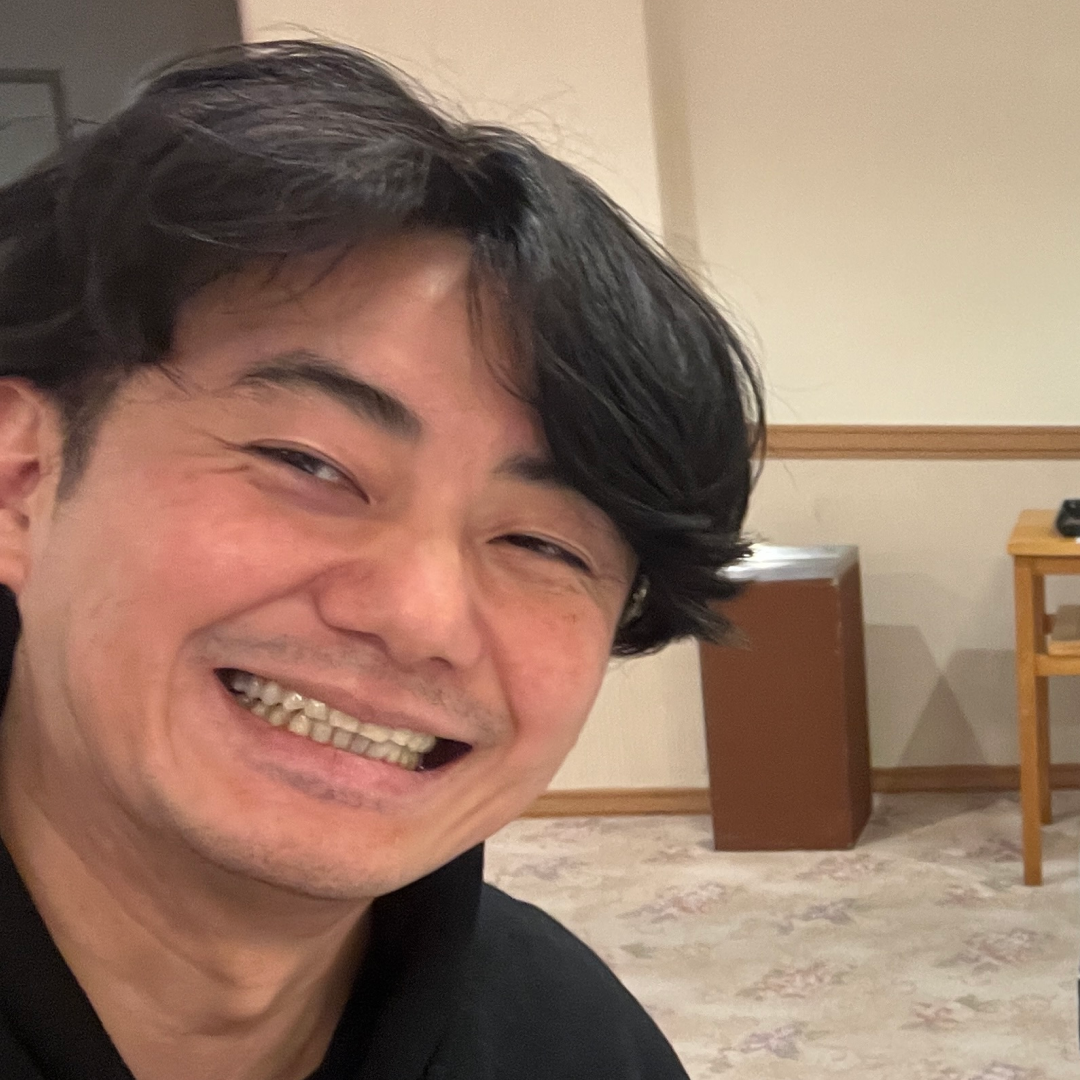
Co-researcher leading project planning and promotion. Inspired by meeting Asahi at a domestic conference, he works on the social implementation of AI technology and inclusive design.

CONTRIBUTORS

Prof. Nagase
Prof. Nagase
ICASSP 2026 Poster Presenter
Assistant Professor
Ritsumeikan University
Jianing Yang
Jianing Yang
Co-researcher
The University of Tokyo
J. Matsuzaki
J. Matsuzaki
Legal Counsel
Nagashima Ohno & Tsunematsu
Attorneys at Law

Support the Project

The ASSA project welcomes participation from researchers, engineers, people with disabilities, and supporters of all backgrounds.

Donate

Your donations support research activities, corpus expansion, and conference participation costs.

Donation Inquiry →

Join the Community

Follow project progress on Discord, or contribute code and data on GitHub.

Join Discord →

Get in Touch

For inquiries, press, or collaboration opportunities

suenagago31@gmail.com